
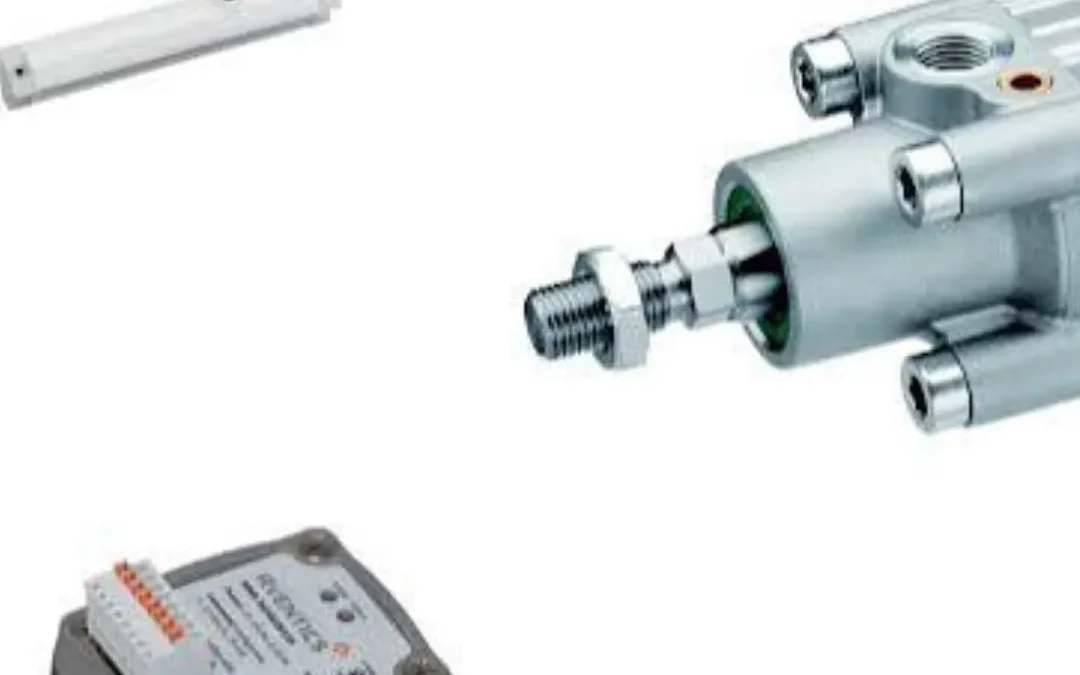
In automation, getting something to move is usually the easy part. Getting it to stop in the right place, at the right time, and do it consistently is where things become more interesting.
A standard pneumatic cylinder is often perfect for simple movements, such as pushing, lifting, or clamping between two fixed positions. But what happens when a machine needs more control over where that cylinder stops?
That is where a pneumatic positioning system can be useful.
By combining pneumatic cylinders with valves, sensors, and controls, these systems provide greater control over movement. They are commonly used in manufacturing, packaging, assembly, and material handling applications where repeatable positioning is important.
So, how do they work, and when does your operation actually need one?
What Is a Pneumatic Positioning System?
A pneumatic positioning system uses compressed air to move an actuator while controlling where that movement starts, stops, or changes.
With a basic pneumatic cylinder, movement is usually straightforward. The cylinder extends to one end of its stroke and retracts to the other. A positioning system adds another level of control, allowing the actuator to reach specific positions depending on the requirements of the machine.
The system can combine a cylinder with sensors, valves, fittings, and electronic controls. These components communicate with each other so the machine knows where the actuator is and can control its next movement.
In simple terms, it turns basic pneumatic movement into more controlled movement.
How Does a Pneumatic Positioning System Work?
A pneumatic positioning system works by controlling the air supplied to an actuator while monitoring where that actuator is during its movement.
Imagine a production line where a cylinder needs to move a product into position. Instead of simply extending all the way, the machine may need the cylinder to stop at a particular point.
A sensor or feedback device monitors the cylinder’s position. That information is sent to the control system, which manages the valves controlling the compressed air. The actuator can then be moved towards the required position.
A typical system may include:
- A pneumatic cylinder or actuator
- Position sensors
- Solenoid or control valves
- A controller
- Tubing and fittings
- Air filters and preparation equipment
- Other pneumatic accessories
The exact combination depends on what the machine needs to do and how much control is required.
When Do You Need a Pneumatic Positioning System?
You need a pneumatic positioning system when simply moving between fully extended and fully retracted positions is not enough for the application.
For example, a machine might need to stop a cylinder at different points during a production cycle. Products may need to be lifted to different heights, pushed into different positions, or directed along different paths.
Common applications include:
- Packaging machinery, where products need to be positioned before filling, sealing, or labelling.
- Assembly equipment, where parts need to line up correctly before the next process begins.
- Material handling systems, where products move between different positions.
- Sorting equipment, where items need to be directed to different areas.
- Processing machinery, where gates or other moving components require controlled positioning.
- Production lines, where the same movement needs to happen repeatedly throughout the working day.
If your cylinder only needs to extend and retract, a standard pneumatic circuit may be all you need. Positioning becomes useful when the movement between those points needs more control.
What Does the Pneumatic Cylinder Do in the System?
The pneumatic cylinder provides the physical movement that pushes, pulls, lifts, or positions the load. Compressed air enters the cylinder and moves the piston. The positioning system then controls that movement according to the requirements of the machine.
This means choosing the correct cylinder matters. Bore size, stroke length, load, speed and available air pressure can all influence how well the system performs.
Pnumatics Cape supplies and manufactures a range of pneumatic cylinders in Cape Town, including single-acting, double-acting and ISO pneumatic cylinders. Custom pneumatic cylinders can also be manufactured for applications where a standard cylinder does not quite fit the job.
Rather than choosing a cylinder based only on dimensions, it is worth considering what you actually need that cylinder to move and how you need it to move.
Why Are Valves Important in Pneumatic Positioning?
Valves are important because they control when compressed air moves, where it goes, and how it reaches the actuator. Without the correct valves, the cylinder cannot respond properly to instructions from the control system. The valve needs to suit the required pressure, flow rate, response, and application.
For some machines, a straightforward solenoid valve may be suitable. Other applications may require a different valve arrangement to achieve the required movement. Pnumatics Cape supplies pneumatic valves and fittings, including mechanical, pilot, angle seat and solenoid valves in South Africa for a range of industrial applications.
Choosing the right valve is not only about finding one that fits the pipework. It needs to work properly with the cylinder and the rest of the system.
Does Air Quality Matter in a Pneumatic Positioning System?
Yes, air quality matters because cylinders and valves rely on clean, properly prepared compressed air to operate consistently.
Moisture, dirt, and other contaminants can make their way into a pneumatic system if the air is not correctly treated. Over time, this can contribute to sticking valves, damaged seals, corrosion, and inconsistent movement.
That is a problem in any pneumatic system, but it becomes particularly noticeable when you are trying to control positioning accurately.
Good industrial air filtration systems help remove unwanted contaminants before they reach the equipment. Filters should also be inspected and maintained regularly, because even a good filter cannot do its job properly if it has been neglected. Reliable positioning starts with reliable compressed air.
What Are the Benefits of Pneumatic Positioning?
The main benefit of pneumatic positioning is that it gives a machine greater control over movement without giving up the practical advantages of compressed-air equipment.
Depending on the application, a positioning system can provide:
- More than two actuator positions
- Repeatable movements
- Greater flexibility in automated processes
- Better control over product handling
- Easier integration with sensors and machine controls
- Less reliance on complicated mechanical positioning methods
This does not mean every pneumatic system should be upgraded to positioning control.
For many applications, simple pneumatic movement remains the most practical solution. A positioning system makes sense when that extra control solves a real production or automation problem.
What Other Components Are Needed for Pneumatic Positioning?
Most pneumatic positioning systems need more than a cylinder and valve. Sensors, fittings, tubing, flow controls, filters, and other pneumatic accessories may all form part of the final setup. Each component has a job to do, and they need to work together. A packaging machine moving lightweight products, for example, will have very different requirements from industrial equipment moving a heavier load. Pressure, speed, stroke length, and operating conditions all need to be considered.
Some automated handling applications may also use vacuum components in South Africa alongside the pneumatic system, particularly where products need to be picked up, held, or moved using suction. The best results usually come from looking at the complete application rather than selecting each component separately.
How Can Pnumatics Cape Help With Pneumatic Positioning?
Pnumatics Cape can help businesses identify and select the pneumatic components needed for their specific positioning and automation requirements.
The range includes pneumatic cylinders, solenoid and mechanical valves, filters, vacuum components, fittings and accessories from trusted brands such as Chanto, STNC, Kailing Pneumatic, Medan, SHPI and Airbest.
Pnumatics Cape also manufactures ISO-standard and custom pneumatic cylinders at its Cape Town facility. This is particularly useful when a machine requires a specific stroke, configuration, or cylinder design that cannot be met with an off-the-shelf option.
If you are building a new machine or improving an existing production line, it is worth considering the whole system from the start. The load, movement, speed, stroke, available pressure, air quality, and positioning requirements all influence which components will work best.
Request a quote: pnumatics.co.za/
Follow Pnumatics Cape on Social Media: instagram.com/pnumatics_cape/