
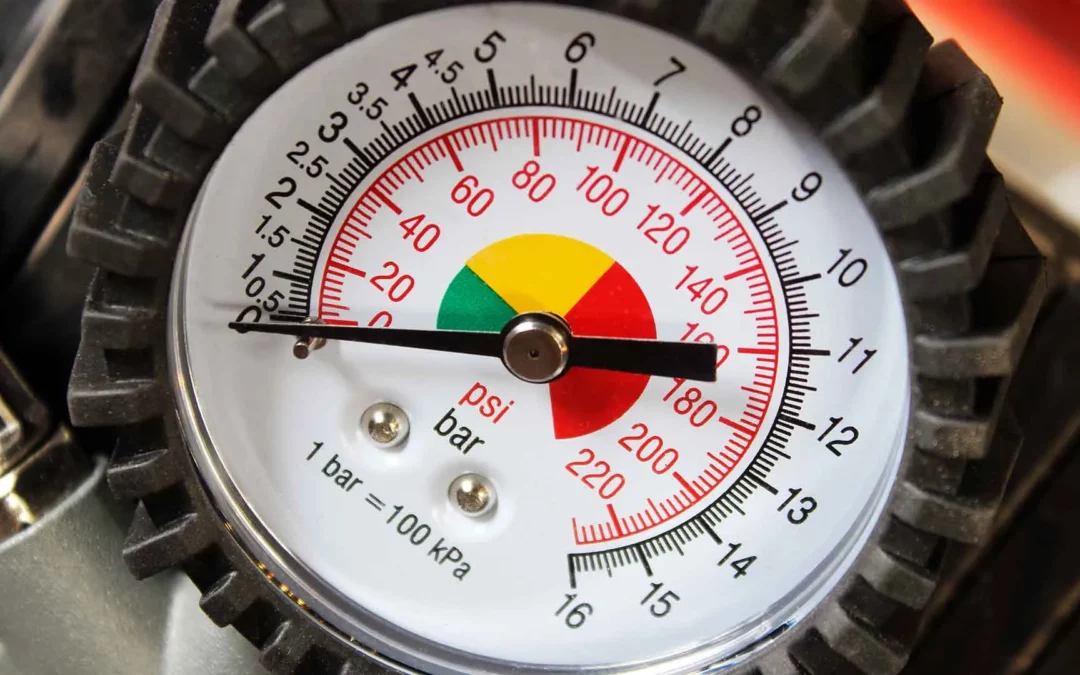
When a pneumatic system starts losing performance, air pressure is often the first place to look. You may notice cylinders moving slower than usual, machinery becoming inconsistent, or production lines struggling to keep up. In some cases, the problem develops gradually. In others, it seems to happen overnight. Either way, air pressure drops can have a significant impact on productivity, efficiency, and operating costs.
The good news is that pressure loss is usually caused by a handful of common issues, many of which can be identified and corrected before they lead to costly downtime.
At Pnumatics Cape, we work with businesses across South Africa that rely on compressed air every day. Whether it’s a manufacturing facility, packaging plant, workshop, or automated production line, maintaining the correct air pressure is essential for keeping operations running smoothly.
Let’s take a closer look at what causes air pressure drops and what you can do about them.
Why Consistent Air Pressure Matters
Every pneumatic system relies on compressed air to perform a specific task.
From pneumatic cylinders and solenoid valves to vacuum systems and automated equipment, each component is designed to operate within a particular pressure range. When pressure starts to drop, performance often follows.
Common symptoms include:
- Slower cylinder movement
- Reduced operating force
- Inconsistent machine cycles
- Increased compressor run times
- Higher energy consumption
- Unexpected production delays
The challenge is that pressure loss is not always caused by one obvious problem. Often, it’s a combination of factors that gradually affects system performance over time.
Air Leaks Are Often the Biggest Culprit
If there is one issue that causes more pressure problems than any other, it’s air leaks. Compressed air is expensive to generate, and even small leaks can waste a surprising amount of energy. The frustrating part is that many leaks go unnoticed for months because the system continues operating, just not as efficiently as it should.
Leaks commonly occur around:
- Pneumatic valves and fittings
- Air hoses
- Quick couplings
- Solenoid valves
- Cylinder seals
- Threaded connections
In a busy production environment, it’s easy to miss the tell-tale hissing sound. That’s why regular inspections are so important. Finding and repairing a few small leaks can often make a noticeable difference to system performance.
Dirty Filters Restrict Airflow
Filters do a vital job by protecting pneumatic equipment from dust, moisture, and contaminants. Over time, however, those contaminants build up inside the filter itself. As the filter becomes clogged, airflow becomes restricted and pressure drops across the system.
It’s similar to trying to breathe through a blocked straw. The air still gets through, but not nearly as efficiently. Businesses often focus on replacing larger components while overlooking their filters, yet a simple filter change can sometimes solve a pressure issue immediately.
Well-maintained industrial air filtration systems help keep airflow consistent and protect valuable equipment from unnecessary wear.
The Pipework May Be Working Against You
Not every pressure problem is caused by a faulty component. In some cases, the system itself wasn’t designed to handle the current airflow requirements. As businesses grow, machinery is added, production increases, and demand on the compressed air system rises. Pipework that was perfectly adequate five years ago may no longer be sufficient today.
Undersized pipes can restrict airflow and create pressure losses before the air even reaches the equipment that needs it. If pressure issues seem to have developed as production has expanded, the pipework layout may be worth reviewing.
Long Air Lines Can Reduce Efficiency
Distance matters more than many people realise. The further compressed air has to travel, the more opportunity there is for pressure loss due to friction within the system. While every facility has physical limitations, unnecessarily long hose runs and complicated pipe routes can contribute to reduced pressure at the point of use.
A well-designed pneumatic system aims to move air efficiently from the compressor to the equipment with as little resistance as possible.
Your Compressor Could Be Struggling
Think of the compressor as the engine behind the entire pneumatic system. If it’s not operating efficiently, the rest of the system will feel the effects. Common compressor-related causes of pressure loss include:
- Dirty intake filters
- Inadequate maintenance
- Worn internal components
- Incorrect pressure settings
- Insufficient compressor capacity
In some facilities, the compressor simply wasn’t designed for the current level of demand. As additional equipment is added over time, the compressor may eventually struggle to keep up, especially during peak production periods.
Incorrectly Sized Components Can Create Bottlenecks
Even when the compressor is performing perfectly, airflow can still be restricted by individual components. Undersized regulators, valves, fittings, or flow control devices can all create bottlenecks within the system.
This is why selecting the correct pneumatic valves and fittings is so important. Every component should be matched to the airflow requirements of the application.
A single restriction point can affect the performance of an entire production line.
Pressure Regulators Don’t Last Forever
Pressure regulators are designed to maintain a stable and consistent air supply. Like any mechanical component, however, they eventually wear out.
A faulty regulator can cause fluctuating pressure, inconsistent machine performance, and difficulty maintaining the required operating conditions.
If pressure readings seem unpredictable, the regulator is often one of the first components worth checking.
Increased Demand Can Cause Temporary Pressure Drops
Sometimes there is nothing wrong with the system at all. Pressure drops often occur during peak production periods when several machines are drawing compressed air at the same time.
The system may perform perfectly during quieter periods but struggle once demand increases. If this sounds familiar, it may be worth assessing whether your compressor capacity and distribution system still match your operational requirements.
The Impact on Pneumatic Equipment
Consistent pressure is essential for getting the best performance from your equipment.
Pressure loss can affect:
- Pneumatic cylinders Cape Town manufacturers rely on for automation
- ISO pneumatic cylinders
- Custom pneumatic cylinders
- Solenoid valves South Africa industries use daily
- Vacuum components South Africa businesses depend on
- Pneumatic valves and fittings
When components are forced to operate outside their recommended pressure range, efficiency decreases and wear can increase, often leading to more frequent maintenance and shorter equipment life.
Keeping Your System Running Efficiently
Most air pressure problems don’t appear overnight. They develop gradually through normal wear, contamination, growing production demands, or small maintenance issues that are left unchecked.
The best approach is a proactive one.
Regular inspections, quality filtration, routine maintenance, and correctly specified components all contribute to a healthier and more efficient pneumatic system.
At Pnumatics Cape, we supply a comprehensive range of pneumatic components in South Africa, including pneumatic cylinders, valves, filters, accessories, vacuum components, and solenoid valves. We also manufacture custom pneumatic cylinders from our Cape Town facility for customers with specialised requirements.
If you’re noticing pressure drops, inconsistent equipment performance, or rising energy costs, it may be time to take a closer look at your pneumatic system. Our technical team can help identify potential issues, recommend the right products, and provide practical solutions tailored to your operation.
Browse our range of pneumatic cylinders, valves, filters, and accessories online, request a quote, or get in touch with Pnumatics Cape to discuss your pneumatic requirements.
Visit our website: https://pnumatics.co.za/
Follow us on Social Media: https://www.facebook.com/PNumatics/