
As pneumatic systems become more advanced, they’re expected to do more than simply move machinery from one point to another. Modern production lines rely on precision, consistency, and automation, which means machines need to know exactly where every moving part is at any given moment.
That’s where magnetic sensors come in.
Although they’re small and often hidden from view, magnetic sensors play an important role in helping pneumatic systems work more efficiently. They allow equipment to detect the position of a pneumatic cylinder without any physical contact, making automated processes more reliable and reducing unnecessary wear on machinery.
At Pnumatics Cape, we supply a wide range of pneumatic components in South Africa, from ISO pneumatic cylinders and custom pneumatic cylinders to valves, filters, and accessories. Whether you’re upgrading an existing system or designing a new one, understanding how magnetic sensors work can help you make better decisions for your equipment.
What is a magnetic sensor?
Put simply, a magnetic sensor tells a machine where a pneumatic cylinder’s piston is.
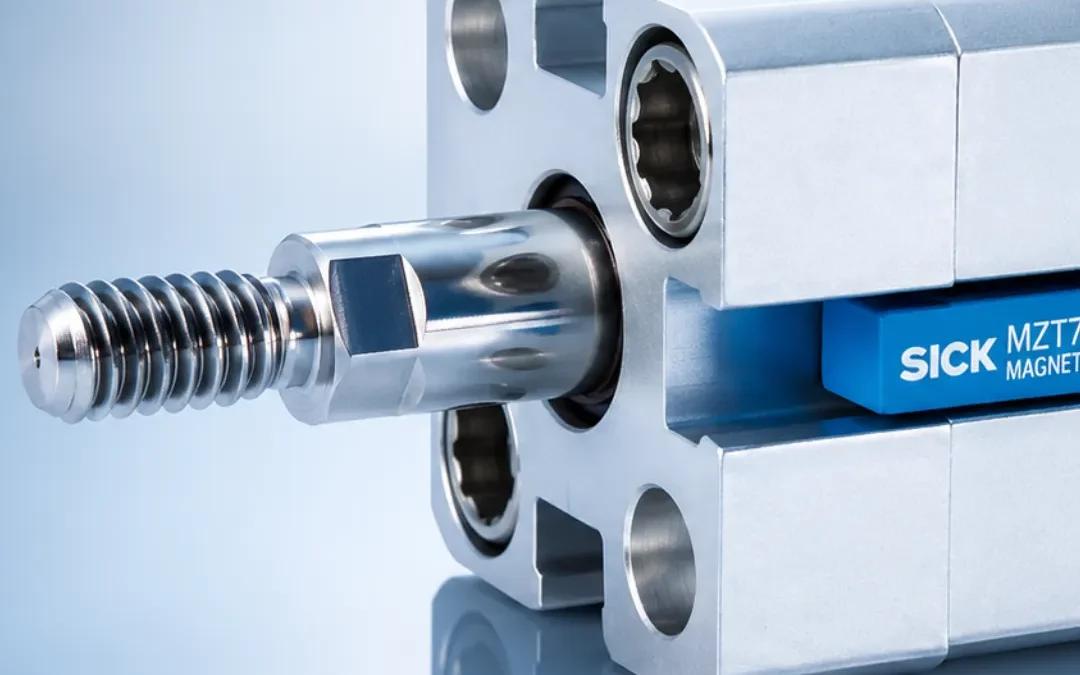
Many modern pneumatic cylinders are fitted with a small magnet inside the piston. As the piston moves backwards and forwards, that magnet passes a sensor mounted on the outside of the cylinder. When it reaches a certain point, the sensor sends a signal to the control system, letting it know the piston is in position.
The clever part is that nothing actually touches. Because the sensor sits outside the cylinder, there’s no friction or mechanical contact, making it a reliable solution for applications where equipment is operating all day, every day.
Why does position sensing matter?
Imagine an automated production line where one machine is waiting for another to finish before it starts its own task.
If the pneumatic cylinder hasn’t fully extended or retracted, but the next process begins anyway, the result could be damaged products, poor accuracy, or unnecessary strain on the machinery.
Magnetic sensors help prevent this.
By confirming that a cylinder has reached the correct position, they allow the next stage of the process to begin at exactly the right time. It’s a simple piece of technology, but one that helps improve both productivity and consistency.
How do magnetic sensors work?
The principle is surprisingly straightforward. As the piston moves inside the cylinder, the magnet built into it moves too. Once it reaches the sensor attached to the outside of the cylinder body, the sensor detects the magnetic field and sends an electrical signal to the machine’s controller, often a PLC.
That signal tells the system that the cylinder has completed its movement, and the next action can take place.
Because there’s no direct contact between the sensor and the piston, wear is kept to a minimum, making magnetic sensors a dependable choice for demanding industrial environments.
Where are magnetic sensors used?
You’ll find magnetic sensors in all kinds of industries, especially anywhere automation is involved.
Some of the most common applications include:
Packaging machinery
Packaging equipment often runs continuously throughout the day. Magnetic sensors ensure cylinders complete each movement before the next product enters the machine, helping everything stay in sync.
Conveyor systems
On conveyor lines, timing is everything. Sensors help control the extension and retraction of pneumatic cylinders so products move smoothly through each stage of production.
Manufacturing and assembly
Assembly lines rely on accurate, repeatable movement. Position feedback allows machines to complete each task before moving on to the next, improving both quality and efficiency.
Material handling
Whether lifting, pushing, sorting, or positioning products, magnetic sensors help ensure movements happen exactly when they should.
Robotic applications
Many robotic systems use pneumatic cylinders for gripping or clamping. Position sensing helps the robot complete each movement safely before carrying out the next command.
The benefits of magnetic sensors
Adding magnetic sensors to a pneumatic system offers more than just position feedback.
Some of the biggest advantages include:
Better automation
The control system always knows where the cylinder is, allowing machines to operate automatically with greater confidence and accuracy.
Improved reliability
Because there are no moving contacts inside the sensor, there’s very little wear, which means a longer service life and fewer maintenance concerns.
Faster production
Accurate position detection helps reduce unnecessary delays between machine movements, allowing production lines to operate more efficiently.
Increased safety
Knowing that a cylinder has reached the correct position before another process begins helps reduce the risk of collisions or equipment damage.
Easier troubleshooting
If something doesn’t happen when it should, position sensors make it much easier to identify where the problem lies, reducing downtime and speeding up maintenance.
Choosing the right pneumatic cylinder
Not every pneumatic cylinder is designed to work with magnetic sensors, so it’s worth checking compatibility before specifying equipment.
Many modern ISO pneumatic cylinders include built-in piston magnets specifically for this purpose. Choosing the right cylinder from the start makes installation easier and leaves room for future automation upgrades.
At Pnumatics Cape, we supply a comprehensive range of pneumatic cylinders in Cape Town, including:
- ISO pneumatic cylinders
- Custom pneumatic cylinders
- Double-acting cylinders
- Single-acting cylinders
- Rodless cylinders
- Compact cylinders
Our technical team can help you select the right cylinder and matching sensor for your application, whether it’s a straightforward replacement or part of a larger automation project.
Every component plays a part.
A magnetic sensor works best as part of a complete pneumatic system.
Reliable performance depends on choosing quality components throughout the installation, including:
- Pneumatic valves and fittings
- Solenoid valves
- Industrial air filtration systems
- Pneumatic accessories
- Vacuum components
- Air preparation equipment
For example, clean compressed air supplied through effective filtration helps protect cylinders, valves, and sensors from contamination. Likewise, quality solenoid valves in South Africa ensure cylinders respond consistently, while well-designed fittings help minimise air leaks and improve efficiency.
When every component works together, the whole system becomes more reliable.
When a standard solution isn’t enough
Every factory is different, and not every application can be solved with standard components.
That’s why Pnumatics Cape manufactures both ISO pneumatic cylinders and custom pneumatic cylinders at our Cape Town facility. Whether you need a unique stroke length, specialised mounting arrangement,t or a cylinder designed for a specific application, our team can help develop a solution that fits your equipment.
Combined with the correct magnetic sensors, valves, and accessories, custom pneumatic solutions can improve performance while supporting long-term reliability.
Working with the right pneumatic partner
Selecting pneumatic components isn’t just about choosing products from a catalogue. It’s about understanding how those components work together to create a reliable, efficient system.
At Pnumatics Cape, we supply premium pneumatic components in South Africa from trusted brands including Chanto, STNC, Kailing Pneumatic, Medan, SHPI, and Airbest. Alongside our imported products, we manufacture locally built cylinders that are designed to meet the demands of the South African industry.
Whether you’re looking for vacuum components in South Africa, pneumatic valves and fittings, industrial air filtration systems, or advice on selecting the right cylinder for your application, our experienced team is here to help.
If you’re planning a new installation or upgrading an existing pneumatic system, explore our range of Pneumatic Cylinders, Valves, Filters, and Accessories on our website. You can also request a quote or speak to the Pnumatics Cape technical team for practical, knowledgeable advice tailored to your requirements. Often, it’s the smaller components, like magnetic sensors, that make the biggest difference to the performance of your equipment.
Visit our website: https://pnumatics.co.za/contact-us/
Follow our Social Media pages: https://www.instagram.com/pnumatics_cape/